
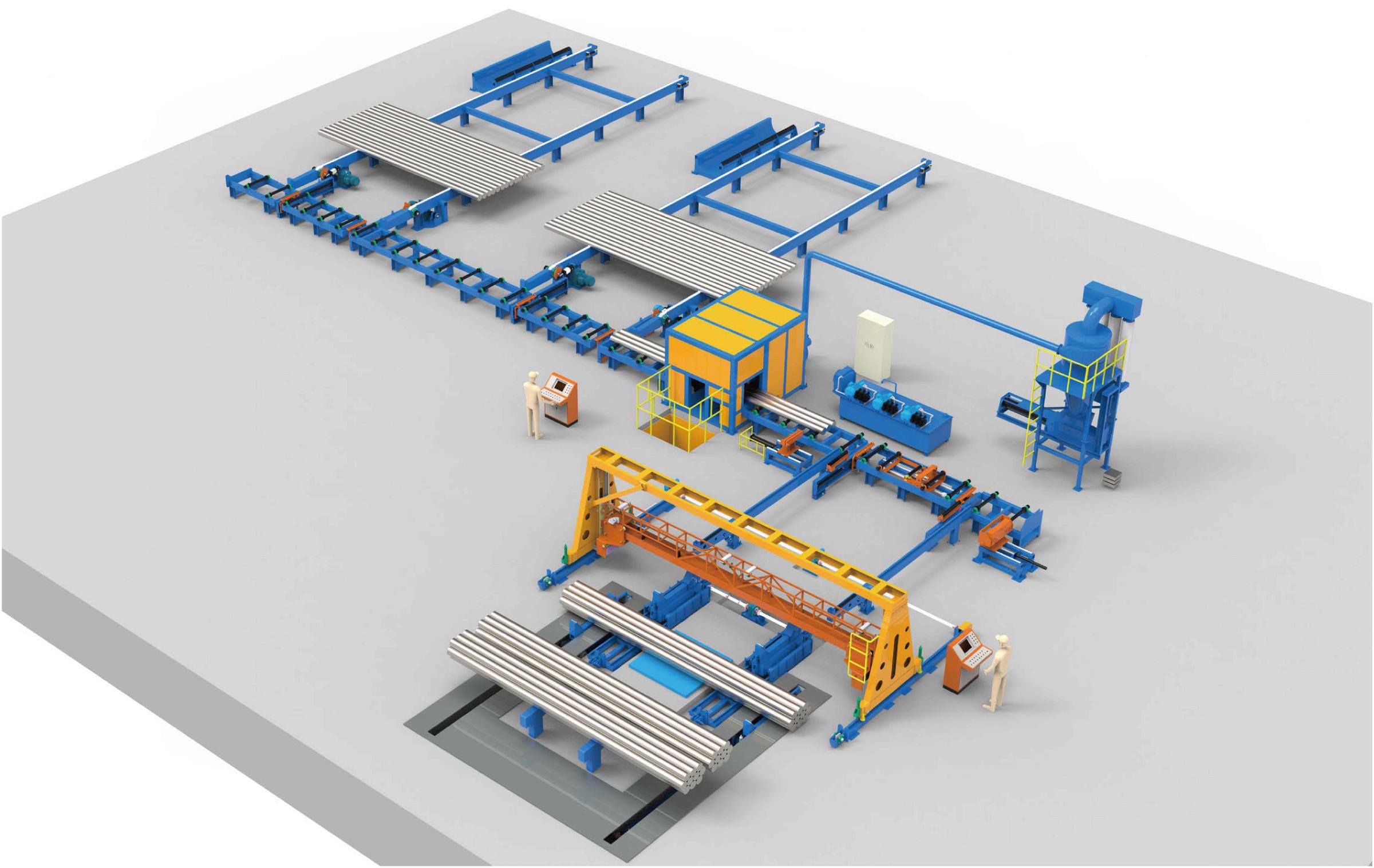
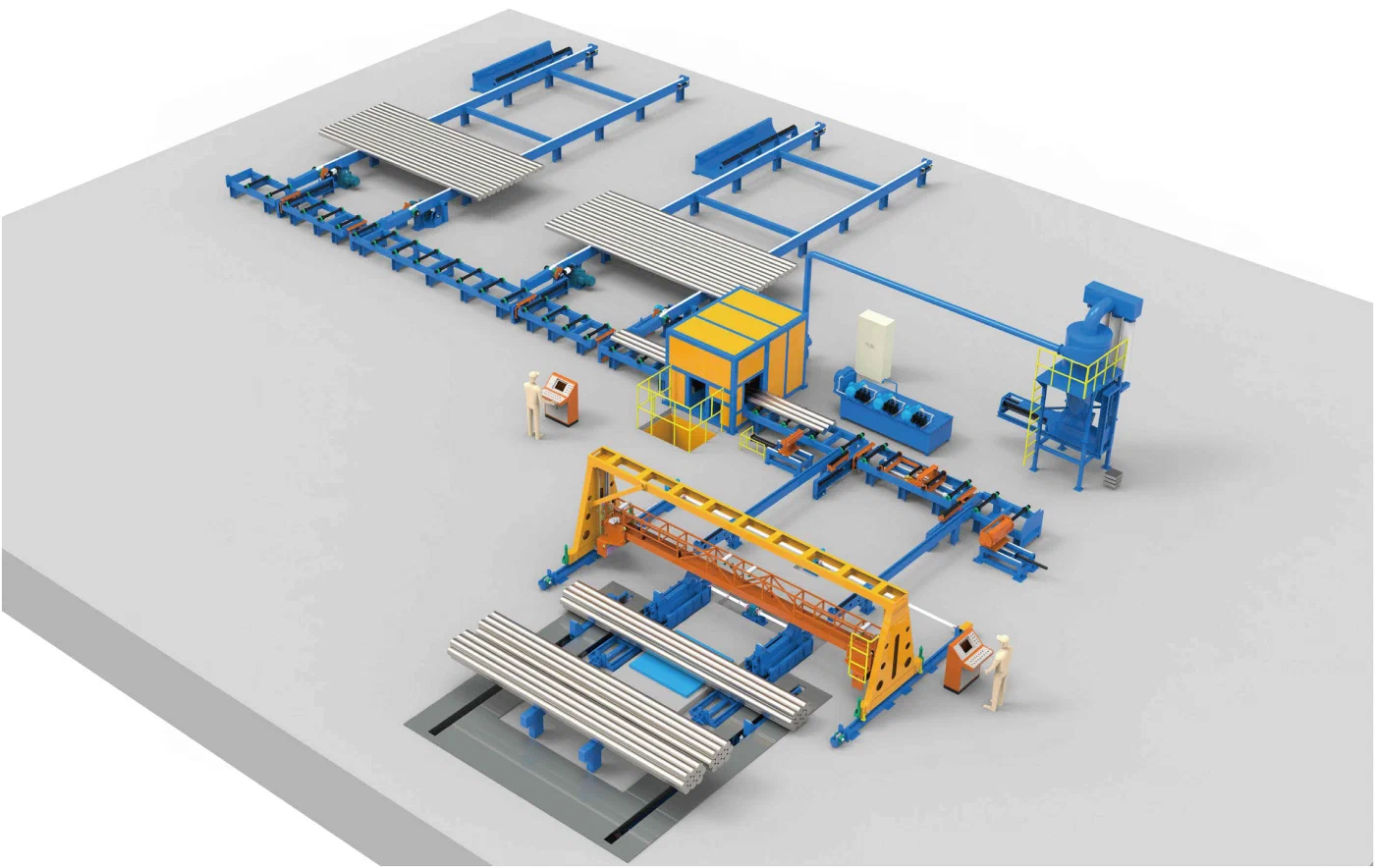
An automatic multi-billet sawing system for primary and secondary aluminum casting shops, configurable with site-specific conveying and discharge equipment.
Process role#
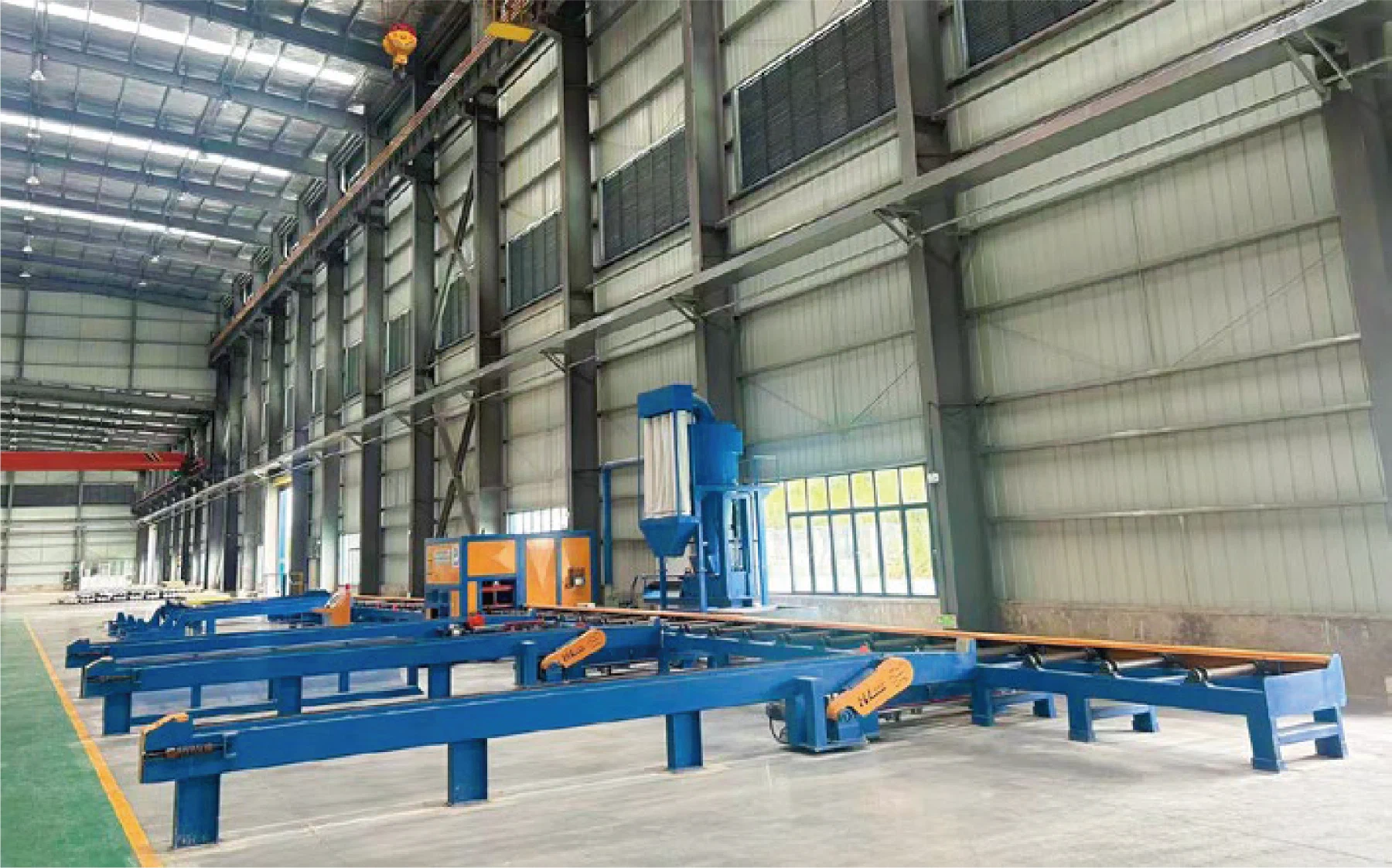
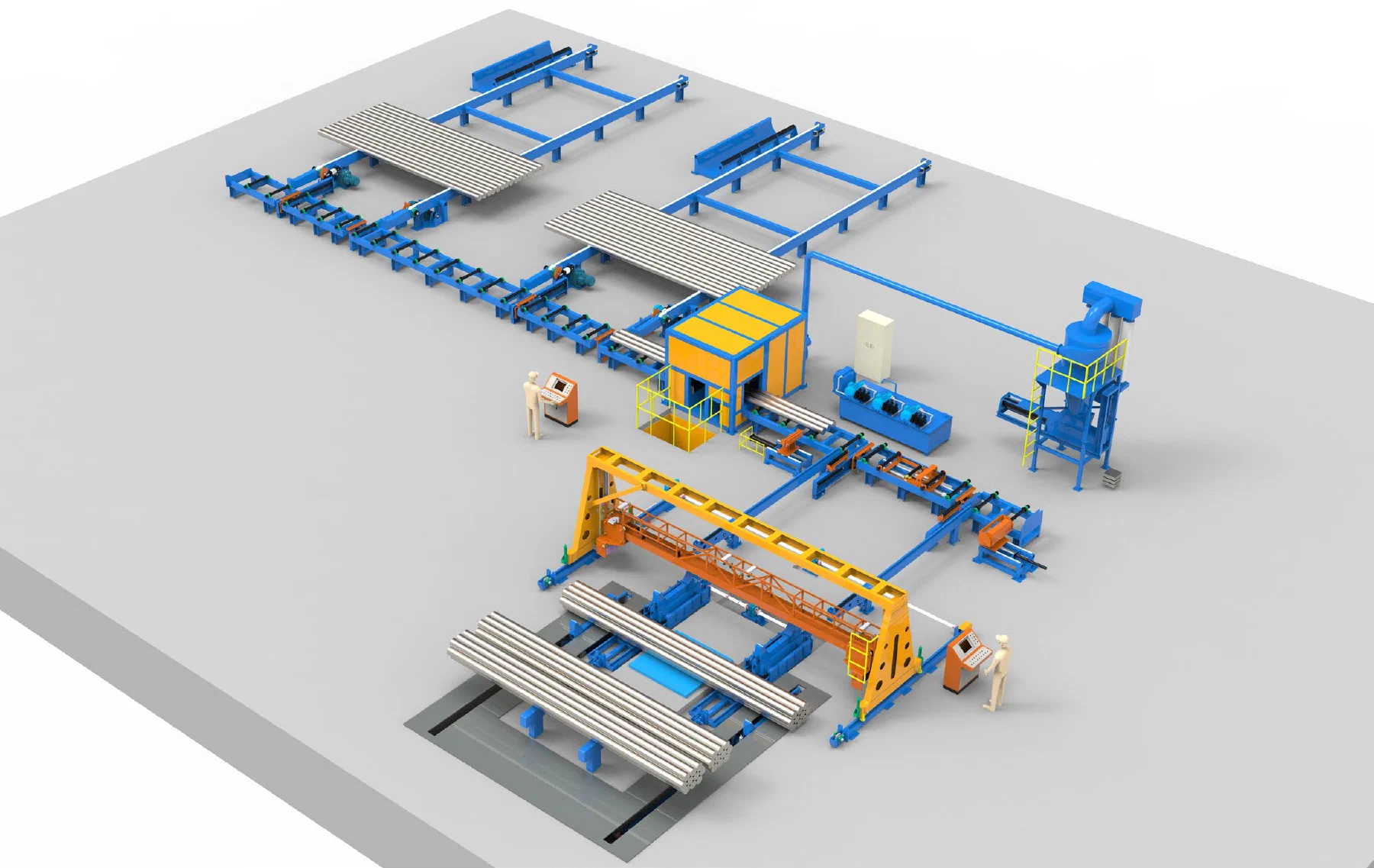
The multi-billet cell organizes loading, alignment, cut-to-length positioning and sawing of multiple billets in one cycle, with interfaces to discharge, identification, stacking and chip recovery. Cycle time is calculated from the billet mix, cut list, billets per load and material-travel distance.
Operating sequence#
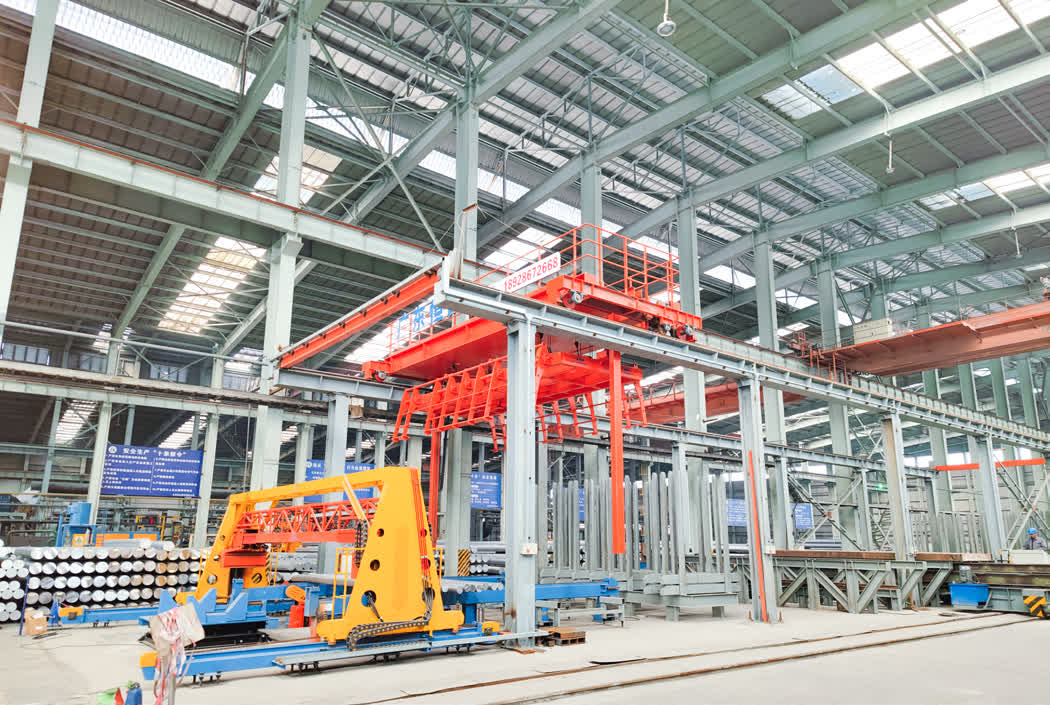
- Separate a billet group from storage and align the billet ends.
- Move the group into the sawing station on controlled rollers.
- Use encoder-feedback cut-to-length positioning before clamping and sawing.
- Separate finished billets from head and tail pieces and apply the required identification.
- Transfer finished billets to stacking and route saw chips to centralized recovery.
Key technical data#
| Cut-to-length control | Lead-screw or servo feeding with encoder feedback; measurement datum and acceptance method are defined for the project. |
|---|---|
| Saw feed | Continuously adjustable hydraulic feed set to billet diameter, alloy and cutting duty. |
| Blade lubrication | Adjustable minimum-quantity oil/air lubrication at the saw blade. |
| Controls | PLC sequence control and HMI with automatic and manual modes for production, changeover and fault recovery. |
Configurable scope#
- Chain storage, billet separation and end alignment
- V-coated roller conveying and cut-to-length feeding
- Enclosed sawing unit with head and tail separation
- Pin or laser identification interface
- Chip extraction, centralized collection, briquetting and finished-billet stacking
Information required for selection#
- Billet alloy, diameter, length, straightness and surface condition
- Billets per cycle, cut list and sample-cut requirement
- Required cycle time, shift pattern and equipment availability
- Infeed, discharge, identification, weighing and stacking method
- Chip conveying distance, briquetting and remelt route
- Plant layout, elevations, crane access and upstream/downstream signals
Equipment video#
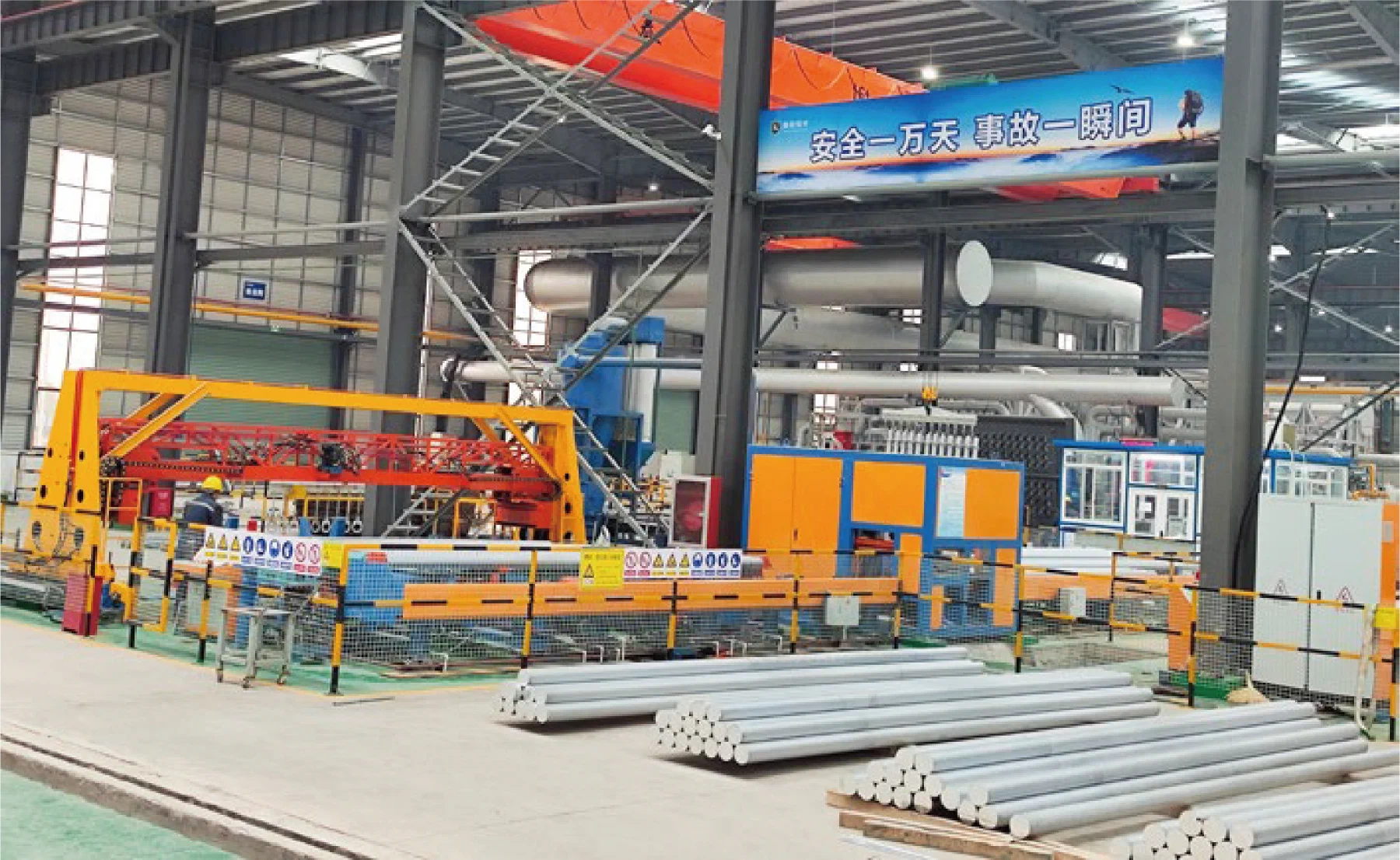
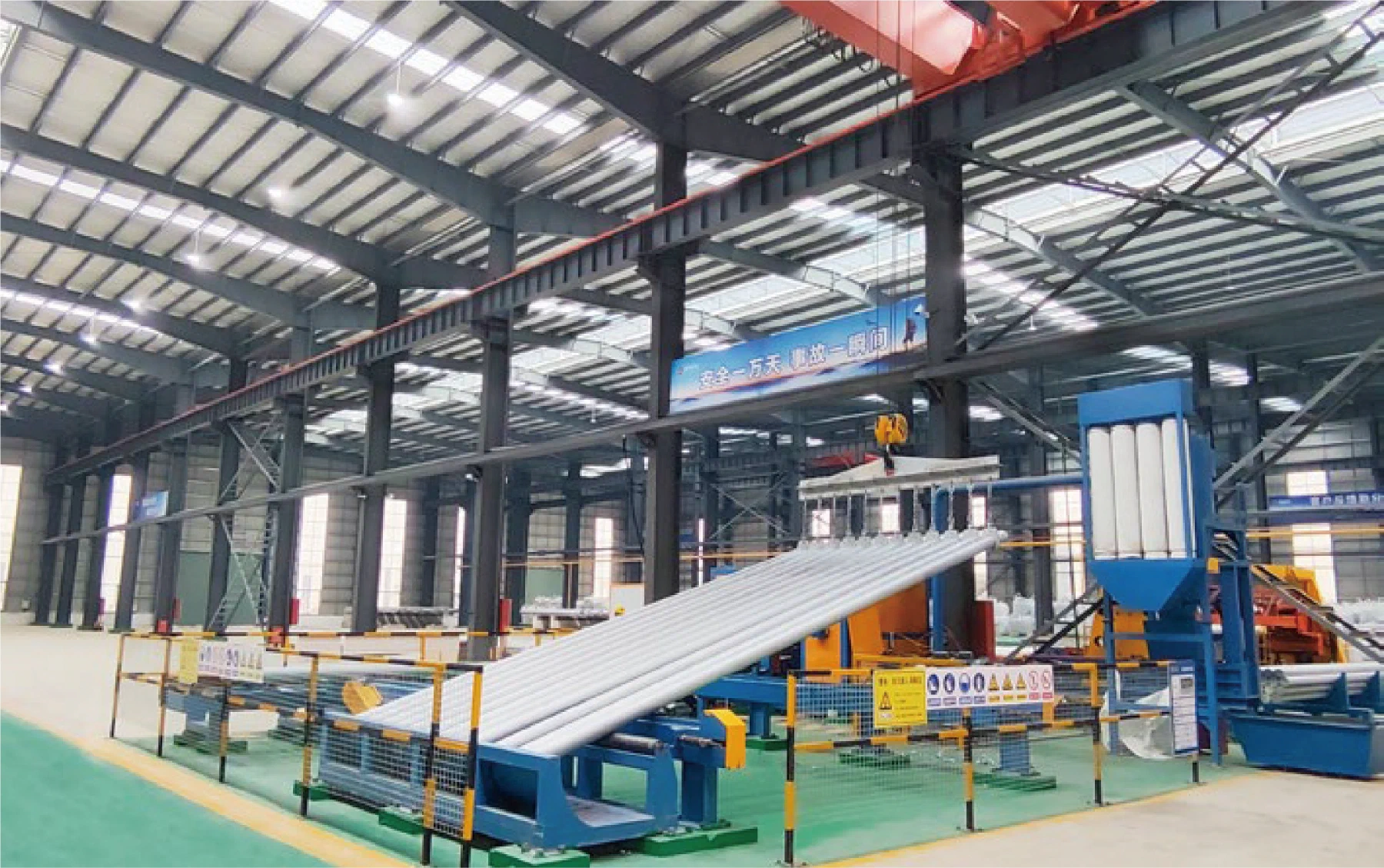
Additional equipment views#
Configure the equipment around your operating conditions
Tell us about the feed, required capacity, plant interfaces and project schedule.