
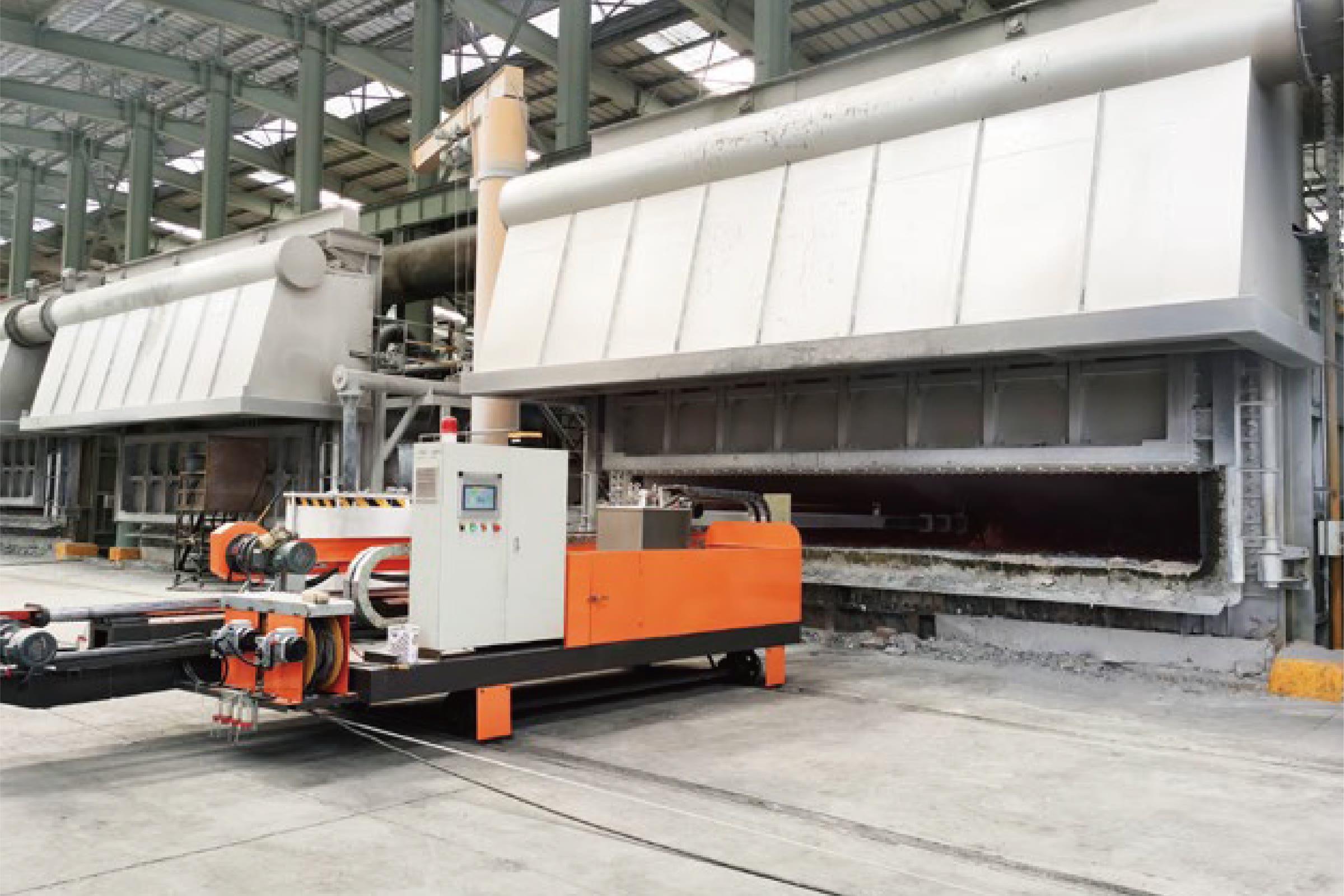
Supporting equipment must match the melt, operating temperature, batch capacity, transfer route and working method. Hengliang Lankang configures these units as part of the casting process and plant logistics.
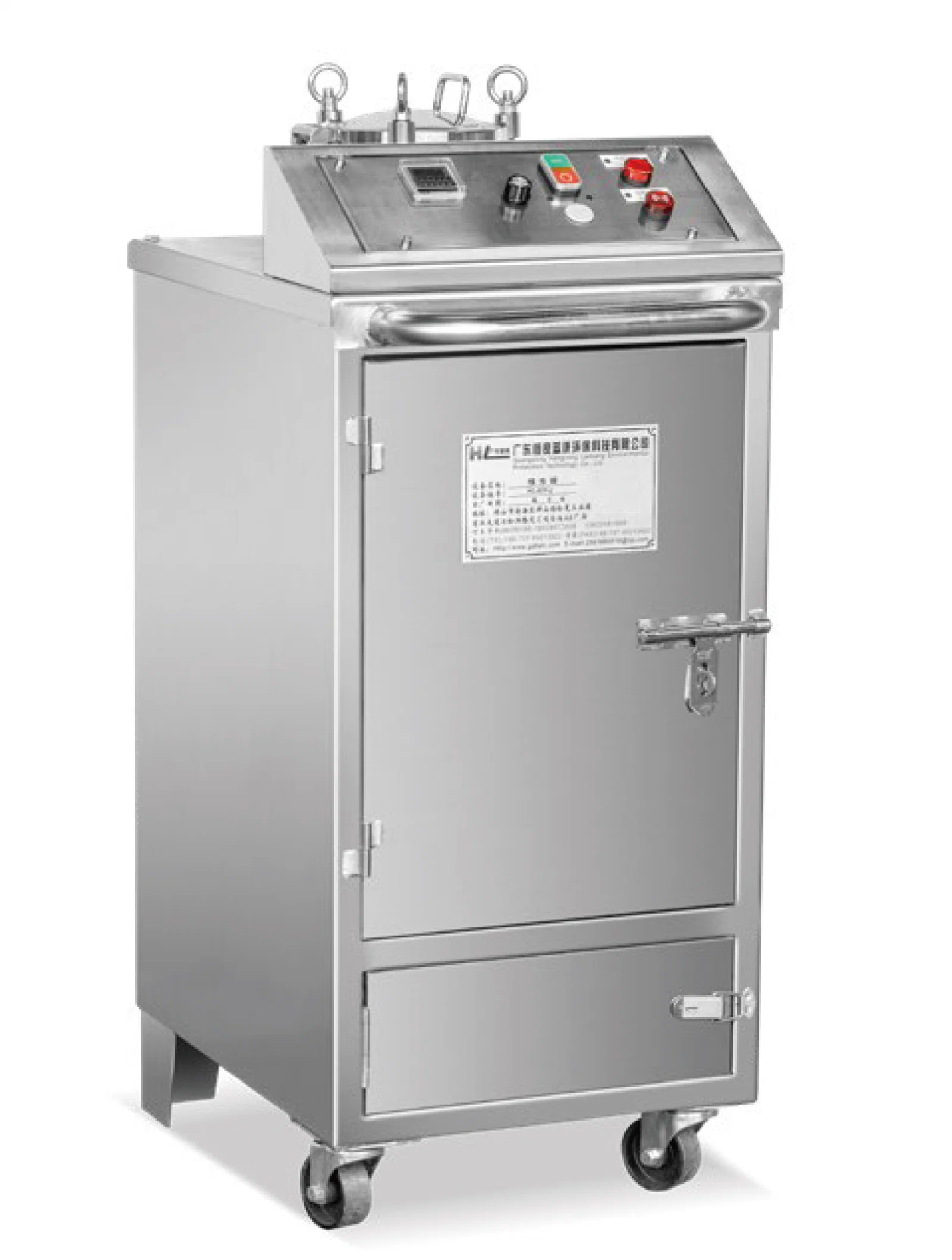
Supporting scope#
Melt treatment
Automatic refining tanks, wire feeders, online degassing, filtration and process consumables.
Transfer and pouring
Transfer ladles, pouring ladles, launders, casting tables and related handling equipment.
Material handling
Dross pots, fork pots, grabs, hoppers, electromagnets, charging and maintenance components.
Container configurations#
| Equipment | Typical dimensions | Capacity / construction |
|---|---|---|
| Molten-aluminum ladle | 1,020 × 890 × 615 mm | 650–800 kg; 55 mm wall and 65 mm bottom |
| Molten-aluminum trough | 1,020 × 860 × 430 mm | 300–400 kg |
| Long-spout tilting ladle | 1,700 × 1,100 × 630 mm | 800–1,000 kg; 45 mm wall |
| Dross pot | 1,190 × 1,100 × 620 mm | 25 mm listed thickness |
| Fork-type dross pot | 1,200 × 1,200 × 830 mm | 45 mm listed thickness |
The dimensions and capacities above describe typical configurations. Final geometry, refractory or material specification, lifting points and handling method must be confirmed for the actual melt and site duty.
Configuration inputs#
- Alloy or material handled, operating temperature and batch capacity
- Treatment, transfer or pouring method and required production rhythm
- Contact materials, refractory requirement and cleaning practice
- Forklift, crane, lifting-point and transport-route conditions
- Adjacent furnace, casting table, launder and control interfaces
- Applicable safety requirements and supply boundary
Match supporting equipment to the melt and handling route
Provide temperature, batch duty, operating method and adjacent equipment interfaces.