
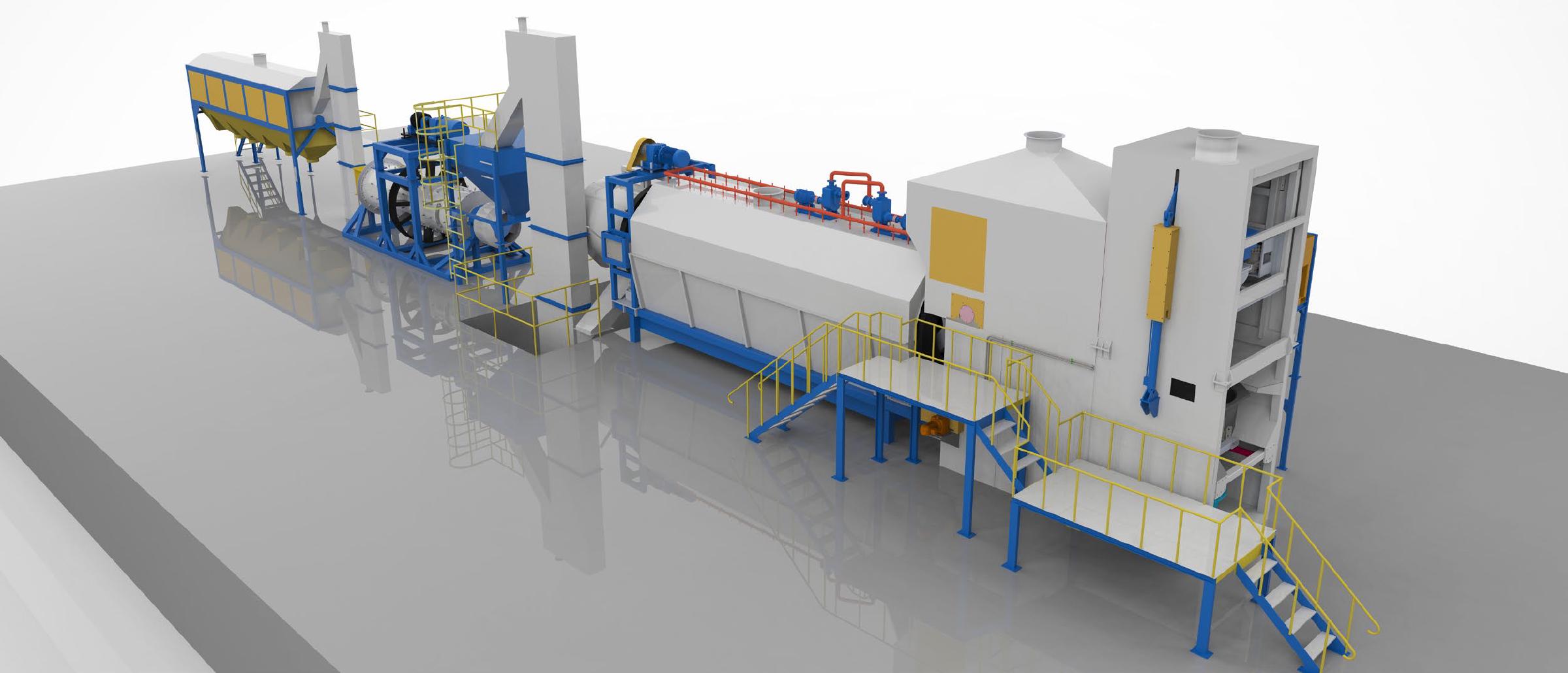
Dross recovery is defined as a connected process. Feed temperature, metallic content, oxidation, transfer time and cooling method influence both metal recovery and the downstream load.
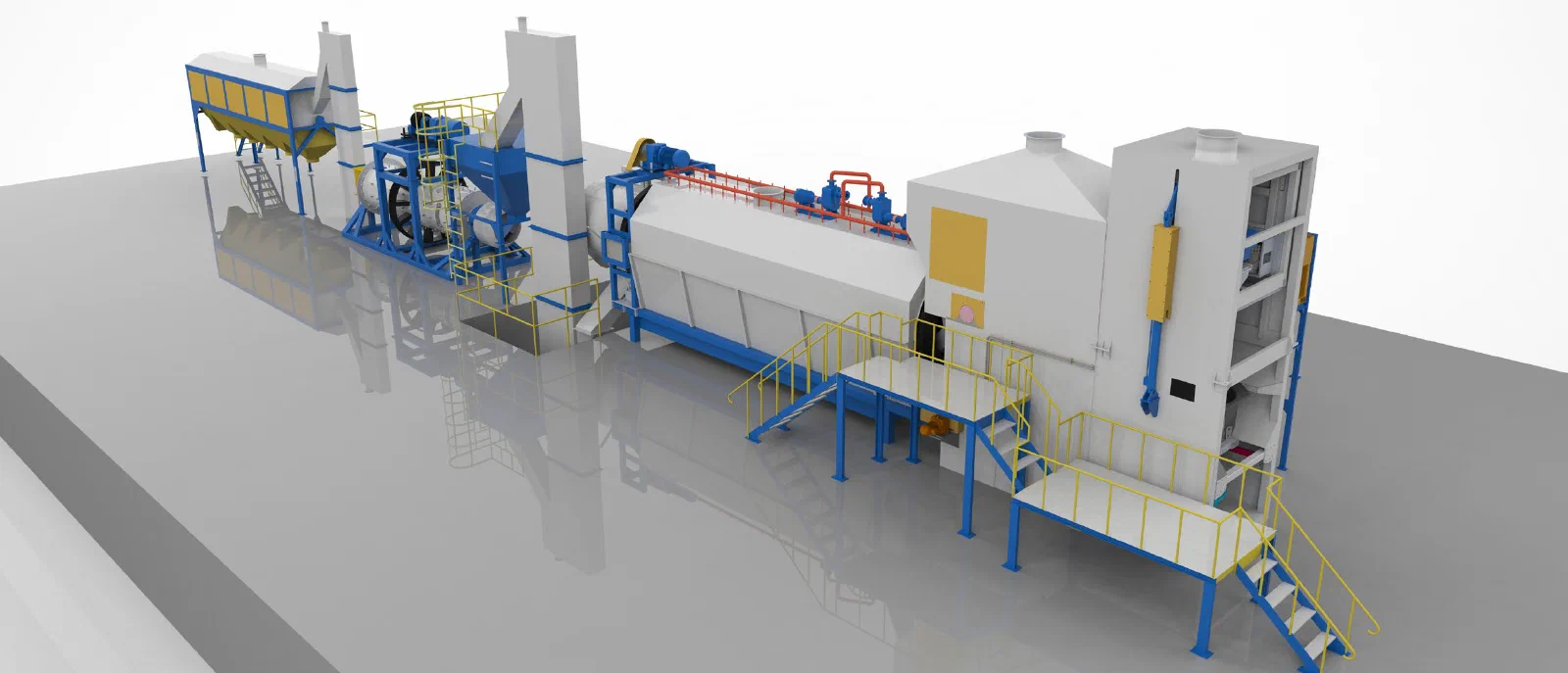
Typical process route#
- Transfer hot dross from the furnace area.
- Separate recoverable molten aluminum.
- Cool residue under controlled conditions.
- Crush, screen and mill the cooled fraction.
- Classify, collect and package the output.
System modules#
For the connected line, see the integrated automatic aluminum dross processing system. Individual modules include:
- Integrated dross-processing main machine or conventional main machine
- Fork-type dross pot, transfer and enclosed tipping mechanism
- Dross cooling drum and primary screening
- Bucket elevators, intermediate storage and controlled feeding
- Ball milling and secondary high-speed screening
- Local extraction, pulse-jet filtration and classified collection
- Electrical control, equipment interlocks and safety guarding
Process boundary and conditions#
| System boundary | Hot-dross processing, molten-metal separation, controlled cooling, size reduction, classification, conveying, collection and fume-extraction interfaces. |
|---|---|
| Material path | Molten-aluminum outlet, dross discharge and mechanical transfer between stages are defined from plant elevations and downstream destinations. |
| Typical grading configurations | Coarse and medium metallic fractions; 20–30 mesh and 80–100 mesh dross fractions. Actual cuts depend on the configured screen and process target. |
| Installation | Configurable for new plants or existing-shop upgrades, subject to layout, foundations and environmental interfaces. |
Acceptance basis: system configuration and acceptance methods are defined from dross composition, feed temperature, batch rhythm, required fractions and operating boundary. Recovery is evaluated through the project material balance and agreed test method.
Information required for configuration#
Provide the dross source, hot or cold condition, temperature range, estimated metallic content, batch and shift throughput, present handling route, target fractions, workshop plan, extraction boundary and planned operating pattern.
Configure the dross system around the actual feed
Tell us about the dross and your processing target. We will map the process stages, equipment interfaces and supply scope.